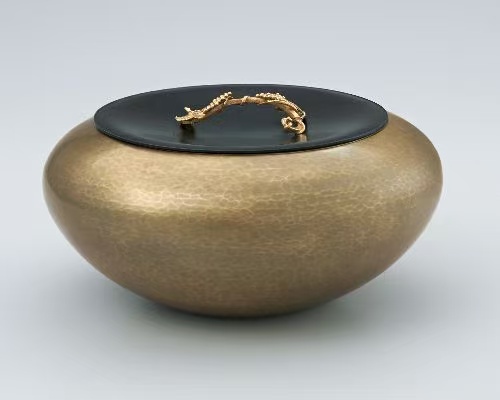
Metal crafts have long stood as one of the most timeless and elegant forms of decorative art. Blending durable metallic textures, exquisite manual skills, and modern finishing techniques, metal artworks range from delicate home ornaments and artistic sculptures to customized decorative accessories. Every finished metal craft carries unique metallic luster and handmade charm. This article will take you through the core materials and complete production process of fine metal crafts.
Common Materials for Metal Crafts
The quality, texture, color, and durability of metal crafts are fundamentally determined by raw material selection. Different metals and metal alloys have distinct physical properties, making them suitable for various craft styles and usage scenarios.
- Brass
Brass is an alloy of copper and zinc, featuring a natural golden warm tone that resembles gold. It has moderate hardness, excellent ductility, and strong corrosion resistance. Brass is easy to carve, stamp and polish, which makes it the most popular material for high-end decorative crafts, home ornaments, and vintage-style art pieces. After special oxidation and brushing treatment, brass crafts can present retro matte textures, while mirror polishing creates a bright and luxurious metallic effect. - Copper
Pure copper boasts outstanding malleability and thermal conductivity, with a unique reddish-orange metallic color. It is extremely suitable for fine handmade carving and ultra-detailed pattern processing. A distinctive feature of copper crafts is the natural patina formed over time, which layers unique time traces on the surface and greatly enhances artistic value. Copper is widely used in art sculptures, high-end jewelry crafts, and antique decorative pieces. - Bronze
Bronze is an alloy of copper and tin, known for high hardness, strong wear resistance, and stable chemical properties. It is not easy to deform or rust, and can perfectly restore intricate carved details. With a solemn and steady bronze tone, bronze crafts are commonly applied in large sculptures, memorial ornaments, and classical traditional crafts, featuring long service life and strong three-dimensional sense. - Stainless Steel
Stainless steel is favored for modern metal crafts due to its super corrosion resistance, high hardness, and easy maintenance. It has a cool silver metallic luster, supporting diversified surface treatments such as mirror polishing, wire drawing, sand blasting, and titanium plating. Lightweight and durable, stainless steel crafts fit modern minimalist, industrial, and high-style decoration styles, widely used in interior decoration artworks and fashion ornaments. - Zinc Alloy
Zinc alloy is a cost-effective casting material with good fluidity in molten state. It can be cast into complex 3D shapes and ultra-fine hollow patterns that are difficult to achieve with other metals. With stable performance and low cost, zinc alloy is the mainstream material for customized small metal crafts, souvenir ornaments, and boutique accessories, and can be matched with electroplating, enamel filling and other processes to enrich colors.
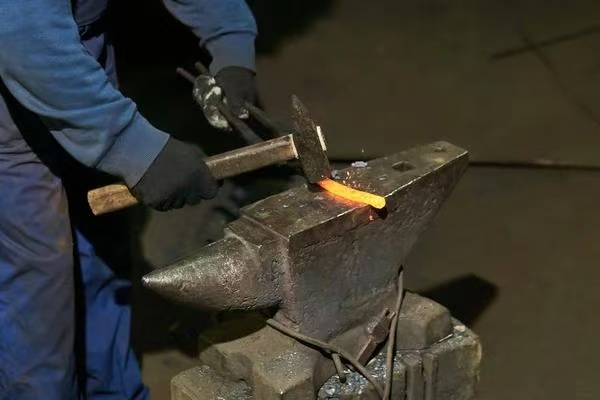
Complete Production Process of Metal Crafts
The production of fine metal crafts combines traditional handcraftsmanship and modern precision technology. Each step is strictly controlled to ensure exquisite details and stable quality.
Step 1: Design and Prototype Making
The whole production starts with creative design. According to product positioning and customer requirements, designers draw 2D effect drawings and build 3D digital models to confirm the product’s shape, proportion, pattern details and size standards. After the design scheme is finalized, a hand-made or 3D printed prototype is produced to verify the overall structure, ensure reasonable proportions, and adjust unreasonable details in advance.
Step 2: Raw Material Cutting and Shaping
Select qualified metal raw materials and carry out precise cutting via laser cutting, shearing or sawing according to the prototype size. For flat crafts, metal sheets are cut into preliminary shapes; for three-dimensional crafts, metal bars or tubes are processed into basic structures. Then bending, stamping and stretching processes are used to shape the metal, making it initially fit the design outline.
Step 3: Fine Processing and Assembly
This is the core step that determines product fineness. Workers conduct manual trimming, edge polishing, and fine carving to remove burrs and optimize pattern details. For multi-component metal crafts, precise welding, riveting or splicing assembly is carried out to fix scattered parts firmly. Professional craftsmen manually modify tiny details to ensure smooth lines and three-dimensional layers of the artwork.
Step 4: Surface Polishing and Treatment
Polishing is essential to enhance metallic texture. Coarse grinding, fine grinding and mirror polishing are adopted in sequence to make the metal surface smooth and flawless. Then diversified surface treatments are carried out according to style needs: wire drawing for retro texture, sand blasting for matte texture, mirror polishing for bright luster, and oxidation blackening for classical vintage effect.
Step 5: Color Decoration and Electroplating
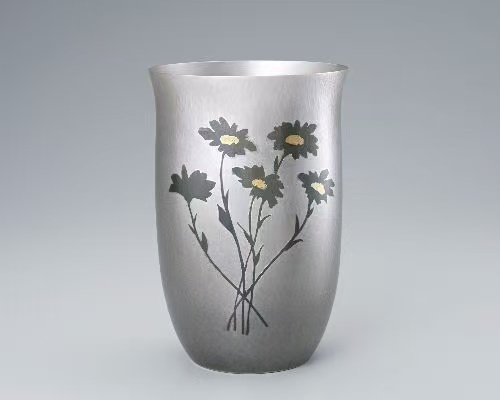
To enrich the appearance of metal crafts, processes such as electroplating, enamel filling, spray painting and titanium plating are applied. Electroplating can form uniform gold, silver, bronze or black metallic coatings to prevent oxidation and rust. Hard enamel and soft enamel processes fill patterns with bright and wear-resistant colors, greatly improving the ornamental value and grade of crafts.
Step 6: Quality Inspection and Finishing Packaging
All finished products undergo strict manual inspection and dimensional detection to screen out defective products with deformation, scratches, uneven coloring or loose assembly. Qualified products are cleaned and dedusted, then packaged with shockproof and moisture-proof materials to avoid damage during transportation and storage.
Why Handmade Metal Crafts Are Irreplaceable
Different from industrial mass-produced products, high-quality metal crafts retain the temperature of manual craftsmanship. Every carving trace and polishing texture is unique. Combined with the natural metallic texture of different materials, metal crafts can not only decorate spaces and improve aesthetic taste, but also serve as high-end customized gifts and collection artworks with high practical value and artistic appreciation value.
(Insert Image: High-quality finished metal crafts display, showing different materials and finished textures)
Whether it is classical retro bronze artworks, luxurious brass ornaments, or modern minimalist stainless steel crafts, professional material selection and standardized production processes can create high-quality metal artworks that integrate beauty, durability and artistry.